The Art of the Massage Ritual: An Ayurvedic Guide to Grounding Touch
Modern life rarely invites us to pause. Carving out a quiet moment for touch—whether in solitude or with a companion—offers a profound return to the body. Rooted in traditional Ayurvedic wellness, massage is far more than physical pressure; it is a restorative ceremony. In Sanskrit, the word Sneha translates to both "oil" and "love," a reminder that anointing the skin is an act of deep nourishment.
To transform a simple routine into a restorative massage ritual, begin with the timeless foundations of Ayurvedic bodywork.
The 5 Core Principles of Ayurvedic Massage

Warmth & Saturation (Snehana)
Never use cold oil: Warm oil penetrates deeper into the skin and hair follicles, balancing the cool, dry qualities of Vata.
Generous anointing: The body is meant to be well-lubricated so hands glide without friction, facilitating cellular nourishment and lymphatic release.

Stroke Geometry: Lines & Circles
Long bones, long strokes: Use firm, linear strokes along long bones (arms, forearms, thighs, calves).
Round joints, circular strokes: Use clockwise circular motions over joints (shoulders, elbows, wrists, hips, knees, ankles) to support circulation and flexibility.
Direction of Flow: Pacifying vs. Invigorating
Anuloma (Downward / Heart-outward): Stroking downward along the limbs and toward the hands and feet grounds energy, calms a hyperactive nervous system, and dispels excess Vata.
Pratiloma (Inward / Toward the Heart): Moving from the hands and feet back toward the trunk stimulates circulation, encourages lymphatic drainage, and lifts sluggish energy (Kapha).
Abdominal alignment: The abdomen should always be massaged in a clockwise circle, following the natural path of digestion (Anu-marma).

Engagement with Vital Energy Points (Marmas)
Ayurvedic touch pays deliberate attention to Marma points—junctions where physical tissue meets subtle energetic pathways.
Key grounding areas include the crown of the head (Adhipati), the center of the chest (Hridaya), the palms (Talahridaya), and the soles of the feet (Padabhyanga). Lingering on these points anchors the mind and balances Prana.

Rhythm, Pressure & Intention (Bhavana)
Rhythm over force: Choose smooth, grounding pressure over sharp, deep kneading. Avoid digging into knots which triggers the body’s guarding reflex. Instead, use broad, relaxed palms and gentle body weight to calm the nervous system.
Presence: In partner massage, the giver maintains continuous, flowing contact so the receiver’s nervous system can surrender completely. In self-massage, the mental state should be one of mindful gratitude rather than a rushed chore.
The Ritual: Techniques for Self and Partner Massage
Begin by lighting your massage candle for 10 to 15 minutes, allowing a warm, golden pool of botanical oil to form across the surface. Extinguish the flame, pause for two to three minutes as the oil reaches a comfortable body temperature, and pour it gently into your palms.
Abhyanga (Self-Massage)
Abhyanga is a quiet devotion to self-care, traditionally practised in the morning to awaken vitality or in the evening to release tension.
The Crown and Shoulders: Begin by smoothing warm oil over the back of the neck and down the shoulders, releasing the weight of the day with firm downward pressure.
The Limbs and Joints: Glide along the arms and legs using long, straight strokes, switching to gentle circular sweeps over the elbows, wrists, knees, and ankles.
The Abdomen: Place warm palms flat against the belly, following the natural path of digestion with slow, clockwise rotations.
The Grounding Finish: Devote generous pressure to the soles of your feet using your thumbs, anchoring energy before allowing the oil to absorb.
The Partner Ritual
A partner massage is an exercise in presence, requiring continuous, intuitive touch.
The Opening Hold: Rest both warm hands flat between the shoulder blades for three deep breaths to synchronise presence before movement begins.
The Spine and Shoulders: Pour a small amount of oil along the back. Use the heels of your hands to make broad, sweeping strokes from the lower back upward, fanning outwards over the shoulders and down the arms.
Neck and Trapezius: Work the thumbs in slow, circular motions along the base of the skull and across the tops of the shoulders to loosen deep-seated tension.
The Limbs: Slide hands down each limb in unbroken, rhythmic motions, finishing with gentle, repetitive compressions across the palms and arches of the feet.

Botanical Nourishment: 4 Key Ingredients
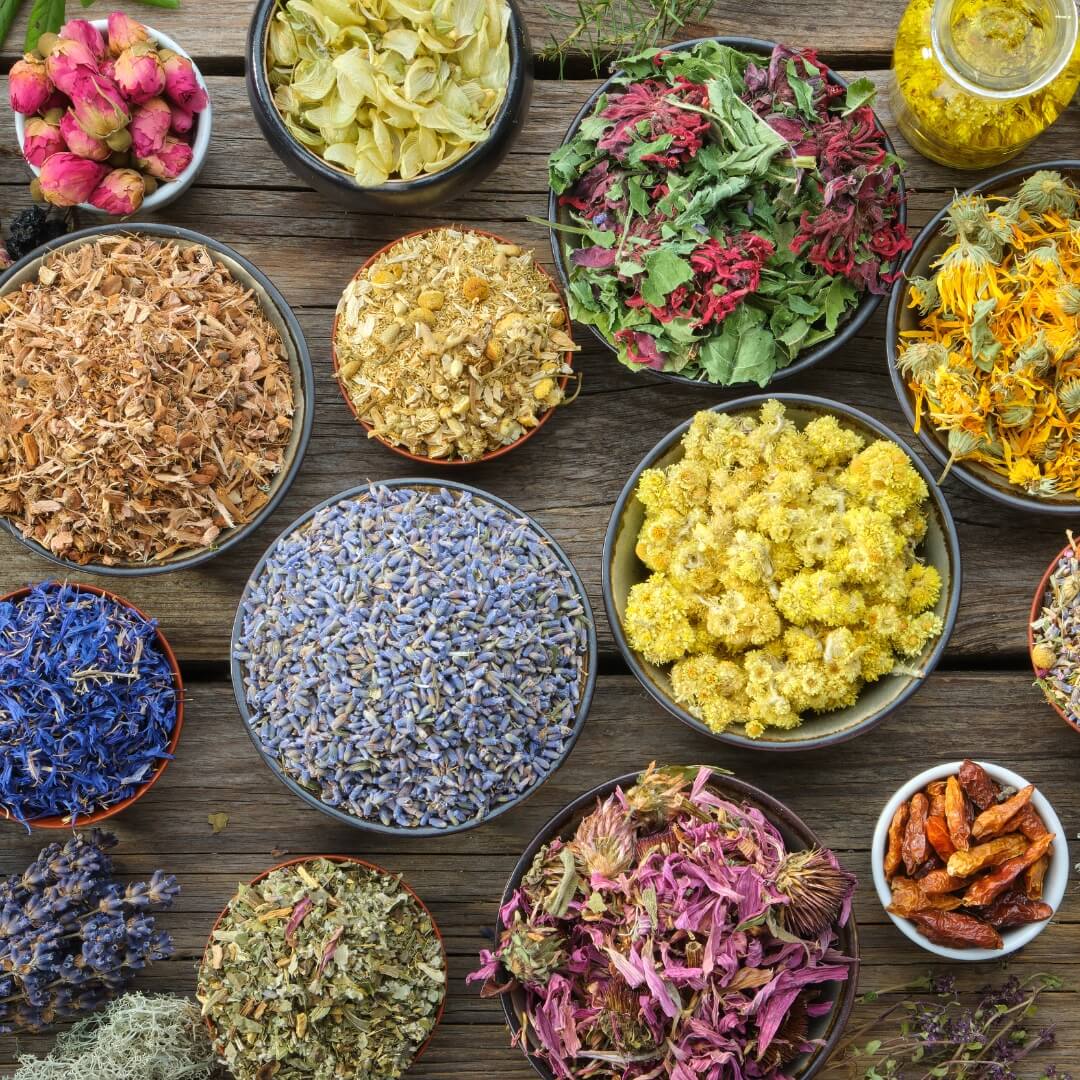
A luxurious massage requires an oil base that glides effortlessly without feeling heavy or sticky. Our formulation blends four skin-reparative botanicals chosen for their biocompatibility and restorative benefits:
Sacred Lotus: Rich in restorative antioxidants and flavonoids, lotus helps improve elasticity, refines skin texture, and imparts a natural, luminous radiance.
Nourishing Shea Butter: A rich emollient high in essential fatty acids that seals in hydration, strengthens the skin barrier, and provides a smooth glide for extended touch.
Golden Babassu Oil: A lightweight, non-comedogenic oil that absorbs cleanly, delivering deep cellular moisture and cooling properties without leaving a greasy residue.
Restorative Vitamin E: A powerful lipid-soluble antioxidant that shields against environmental stressors, soothes irritation, and assists natural skin repair.

Cultivate Your Space
Bring the sanctuary home with our clean-burning, skin-safe massage candle vessels, hand-poured with pure botanicals and natural essential oils.
Add a stimulator for added benefits
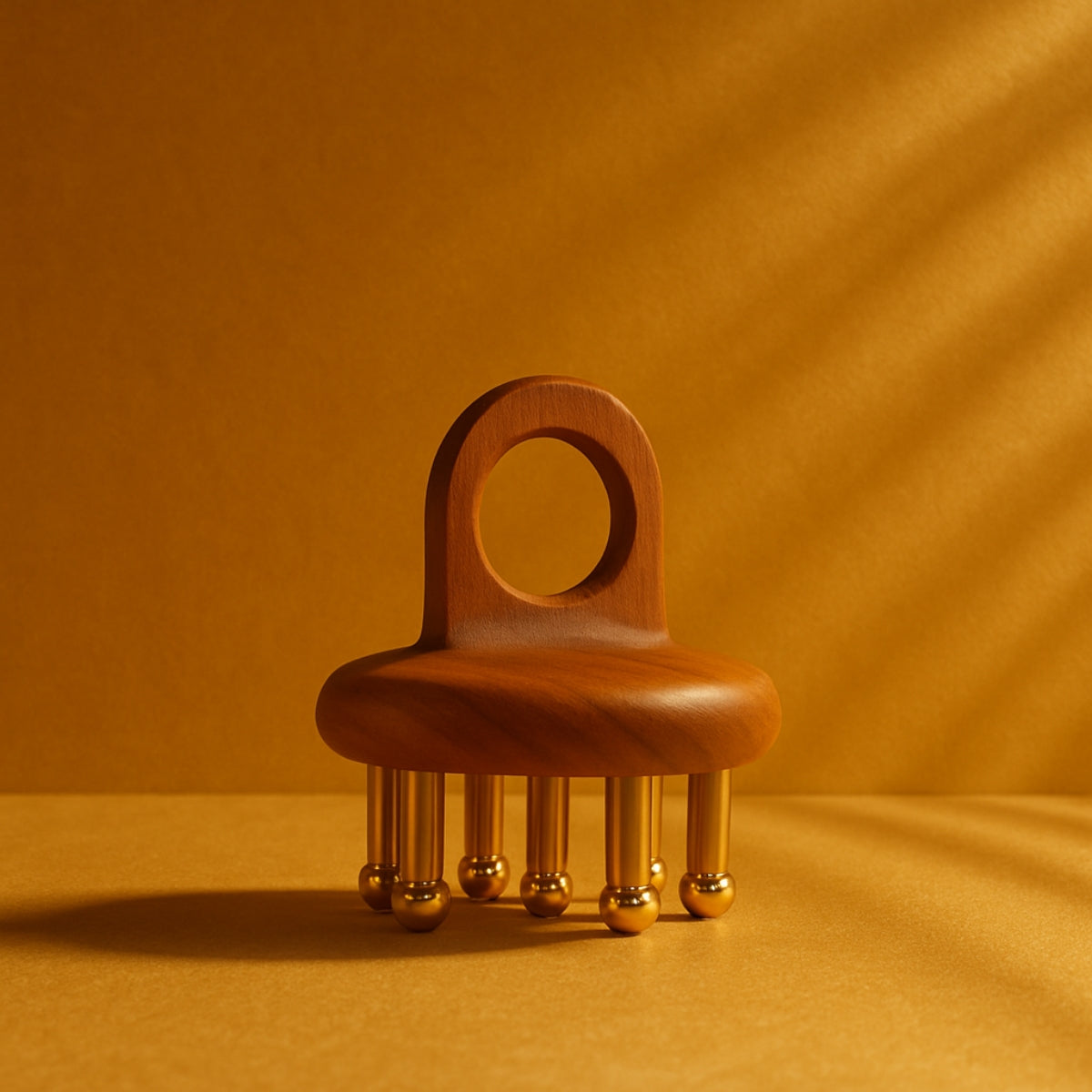
First, anoint the body with broad, flowing palm strokes to envelop the skin in warm botanical oil. Then, take the Kansa Stimulator to trace gentle circles over joints and rhythmic sweeps along the limbs. The warm oil ensures effortless glide while the copper prongs stimulate vital Marma points, awaken circulation, and release deeper energetic tension.